
Language, Politics, and Ideology
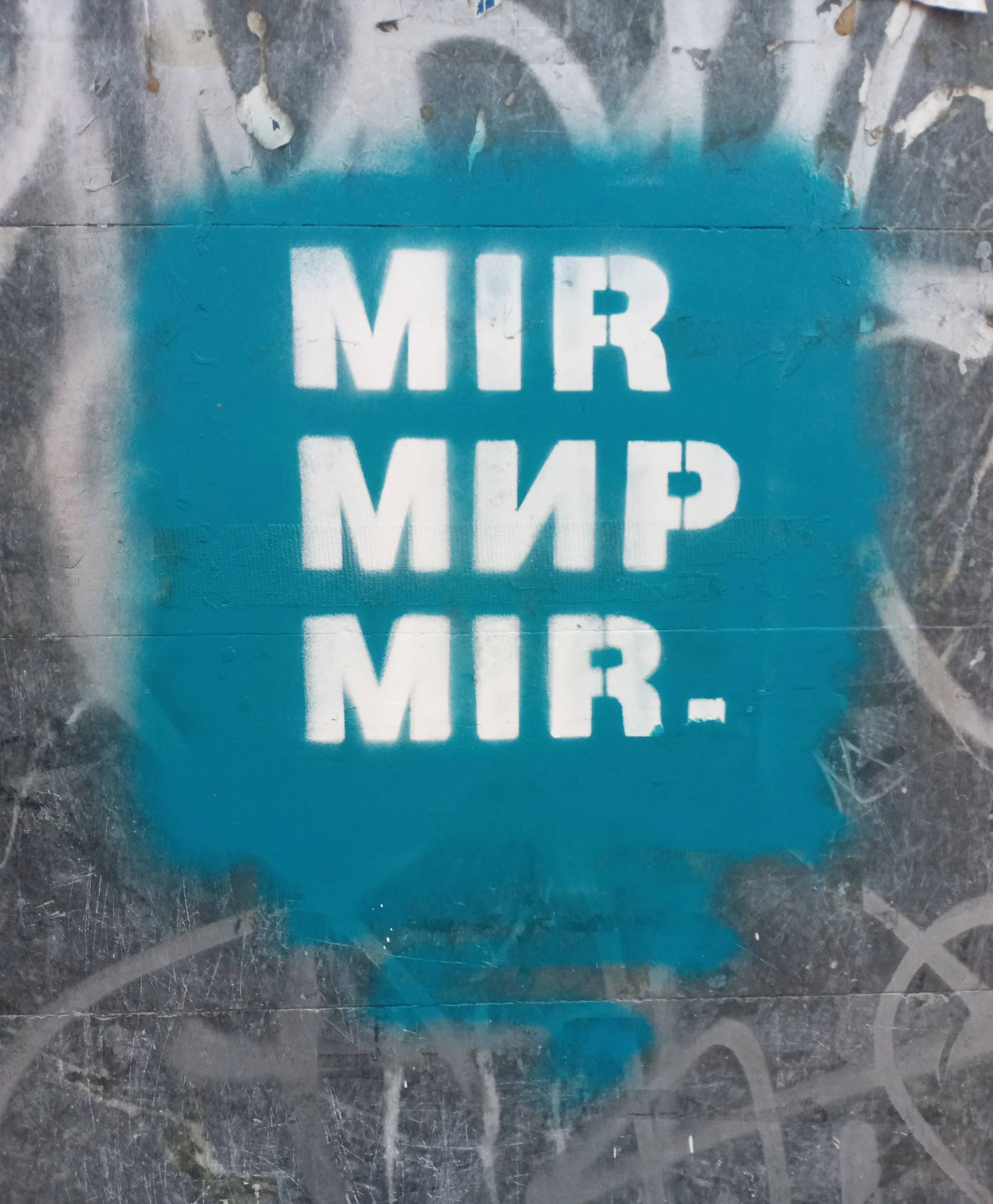
Wikimedia Commons user Vrtleska225, CC BY-SA 3.0 HR
Commissioning editor: Lea Greenberg
Series editors: Mate Kapović and Tomasz Wicherkiewicz
Download the flyer here.
Submit a proposal
Choose the editor you'd like to contact:
Central and Eastern Europe exists on a precarious fault line where the promotion and defense of cultural distinctiveness contend with the gravitational pull of continental synthesis. This series examines language as the decisive terrain where this struggle occurs. Research on these issues probes how ideologies of standardization and usage serve the needs of statehood and the legitimation of nationhood or the goals of broader alignments. And these dynamics are not unique to the region. The series considers how language operates as an ideological arena in various settings and in a wider global context. It considers the politics of recognition and misrecognition: how states, legal systems, and expert regimes classify speech forms as “languages,” “dialects,” “(ethno)lects,” or “regional” languages and how such classifications reshape social hierarchies and community practices.
We invite proposals on:
linguistic nationalism and imperialism
language standardization and language policy
prescriptivism
multilingualism
minority and indigenous languages
language revitalization
the politics of script
the effects of large language models and digitization and their impact on languages and linguistic communities
other topics on the interplay of various aspects of language, politics, and ideology
The series welcomes scholars across disciplines, spanning the fields of linguistics, anthropology, history, political science, and beyond.
Keywords: linguistics, nationalism, identity, multilingualism, prescriptivism, standardization, minority languages, revitalization governance, ethnicity, LLMs
Geographical scope: Global