
Multisensory Ethnography and Storytelling
Commissioning editor: Lea Greenberg
Series editors: Anna Harris, David Howes, Sachi Sekimoto, and Kathleen C. Sitter
Submit a proposal
Choose the editor you'd like to contact:
“Lead with the senses!” is the banner cry of multisensory ethnography. This sense-based approach to the study of experience writ large is grounded in “the sensible.” It involves the ethnographer sensing along with others, and together with them “making sense.” Originating within anthropology, this new methodology has applications that extend far beyond it – to the study of materiality, atmospheres, agency, decolonization, the technologization of perception, and the distributions of the sensible along gender, class, racialized and able-bodied/disabled lines, as well as more-than-human ways of sensing. Multisensory ethnography consistently pushes the bounds of sense in its drive to open our imaginations to the different practices of sensuous storytelling.
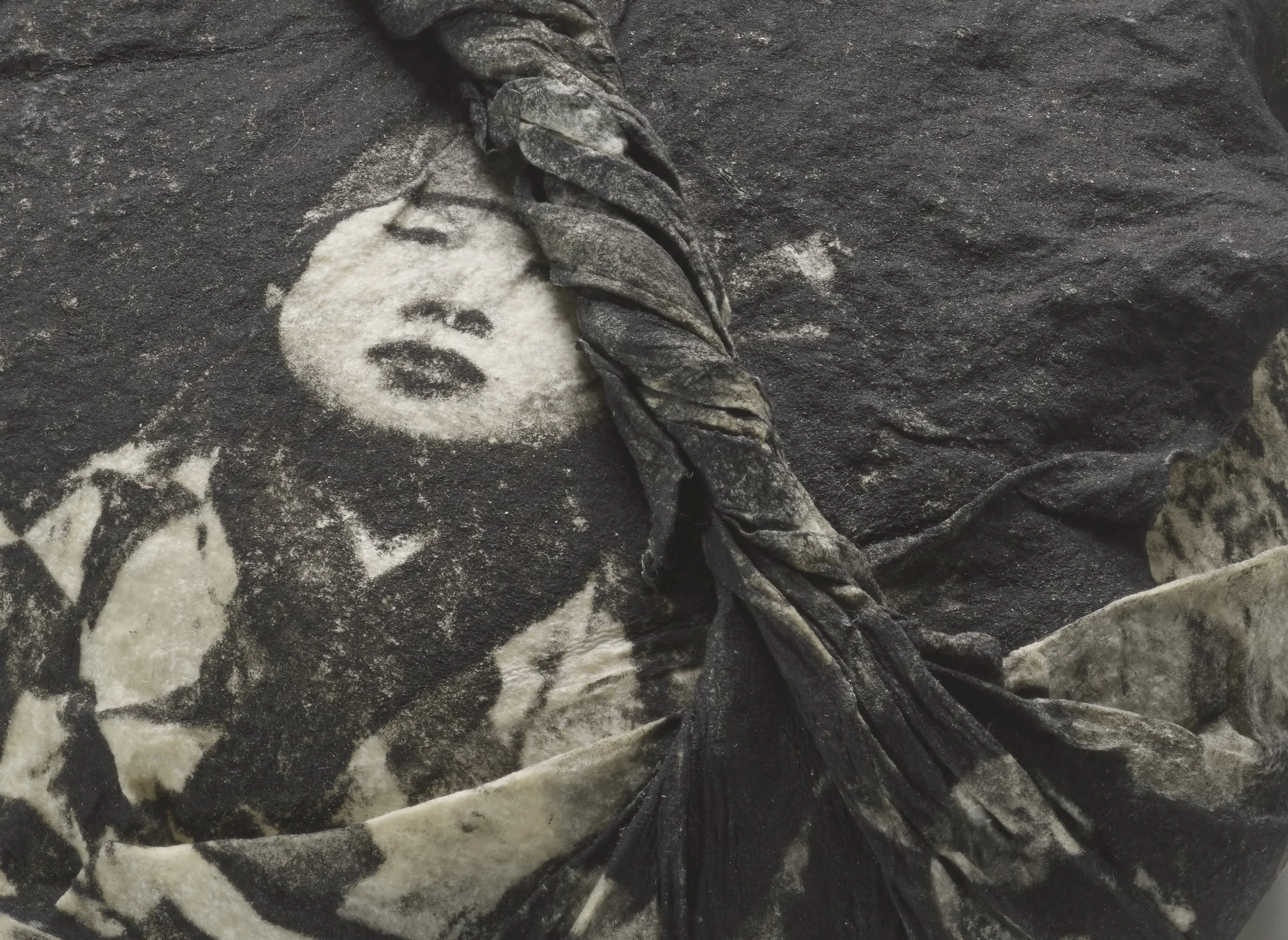
Image: An Archive of Rememory / Artwork Credit: An Archive of Rememory, Emma Nishimura, © 2016–18 / Photo Credit: Courtesy of ROM (Royal Ontario Museum), photo Paul Eekhoff © ROM / Source: Sense of Touch: Shokkan and Sensory Exploration in Japanese Art, edited by Akiko Takesue. Toronto: ROM, 2026
Advisory Board:
Rose Boswell, Nelson Mandela University
Denielle Elliott, York University
Adolfo Estalella, Spanish National Research Council
Shivani Kapoor, Centre for the Study of Developing Societies, Delhi
Karolina Nikielska-Sekula, Jagiellonian University
Philip Vannini, Royal Roads University