Memory, Heritage and Public History in Central and Eastern Europe
Commissioning editor: Jen McCall
Series editors: Barbara Törnquist-Plewa, Violeta Davoliūtė, and Lavinia Stan
Download the flyer here.
Submit a proposal
Choose the editor you'd like to contact:
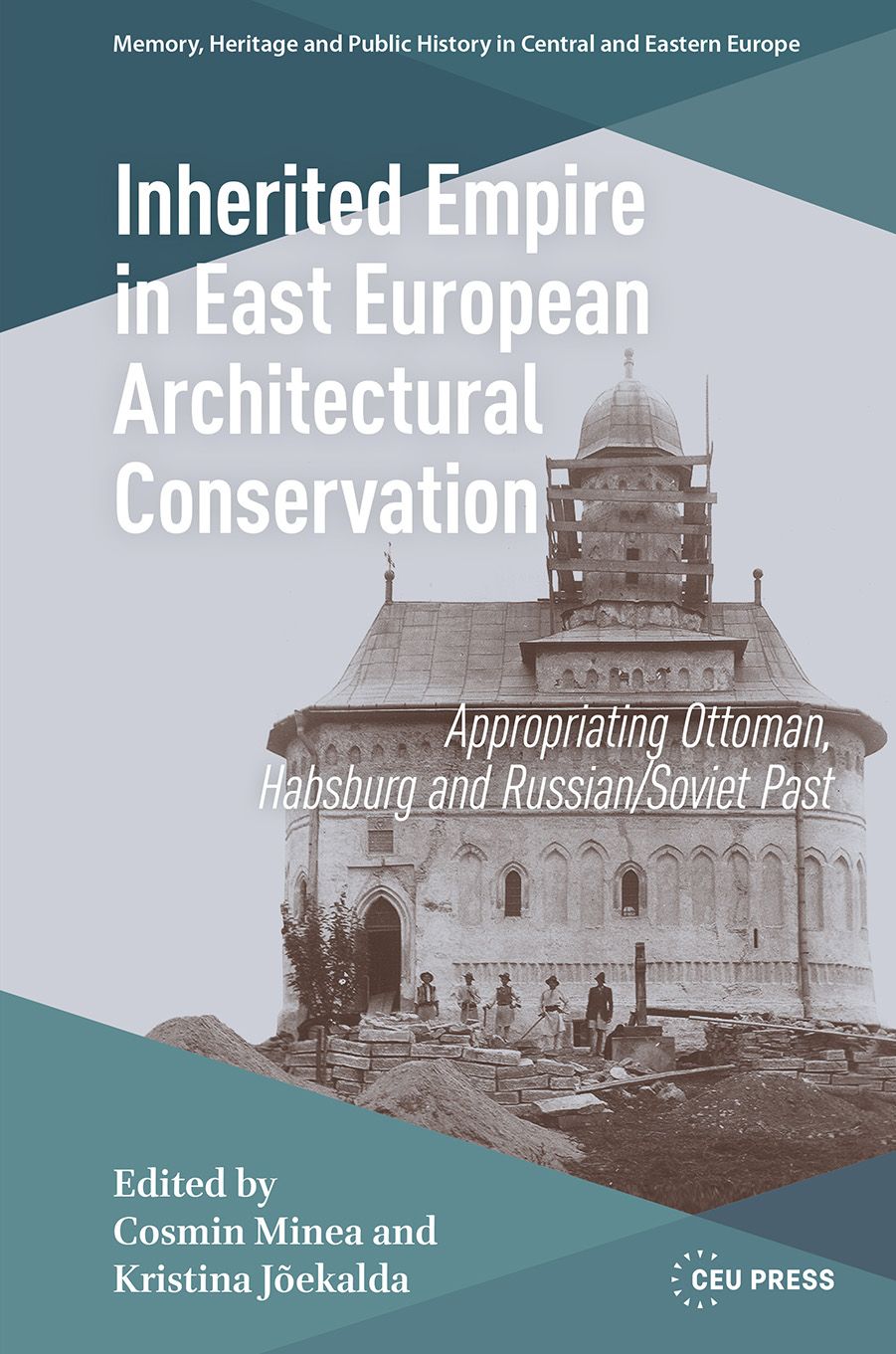
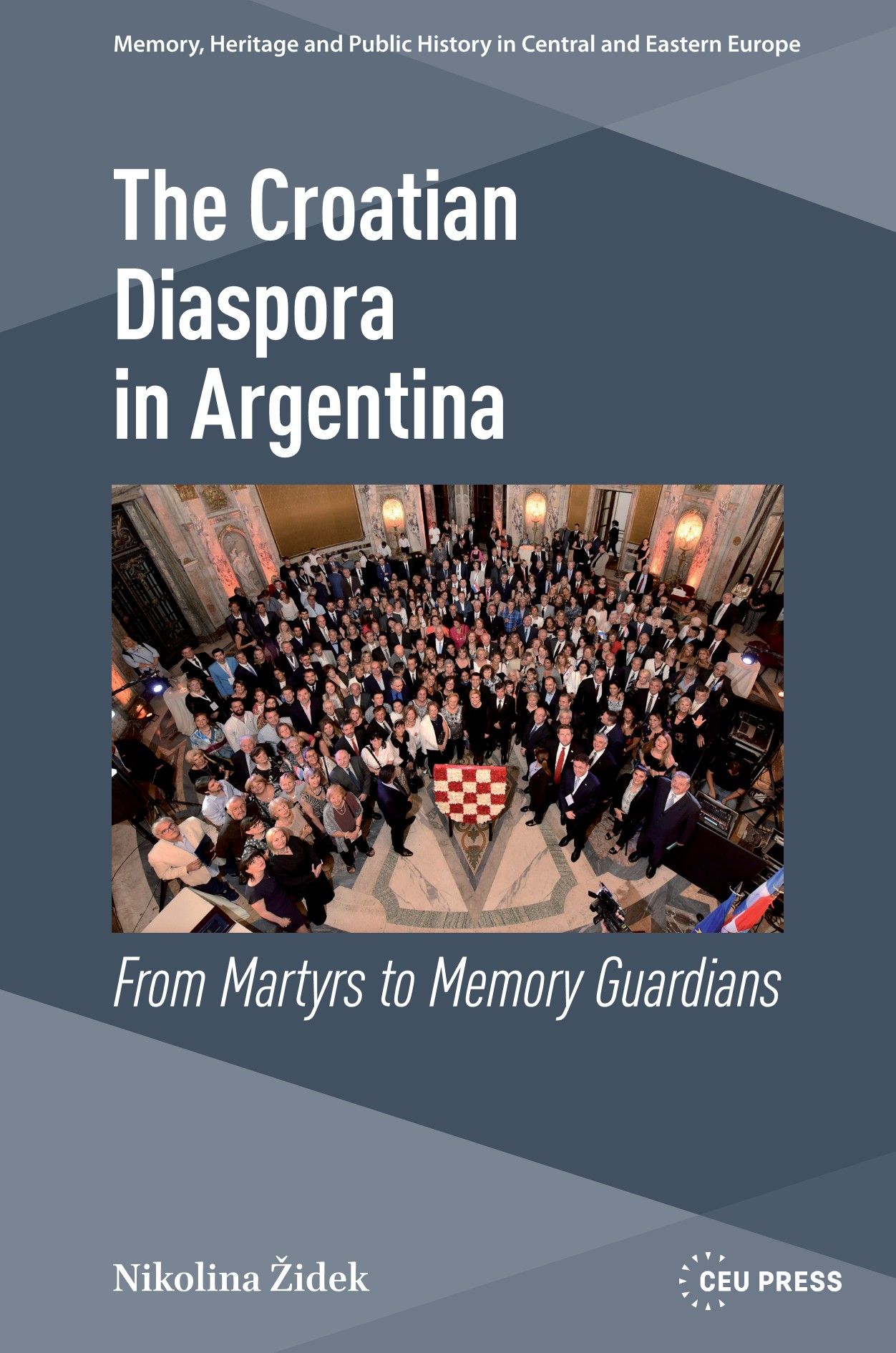
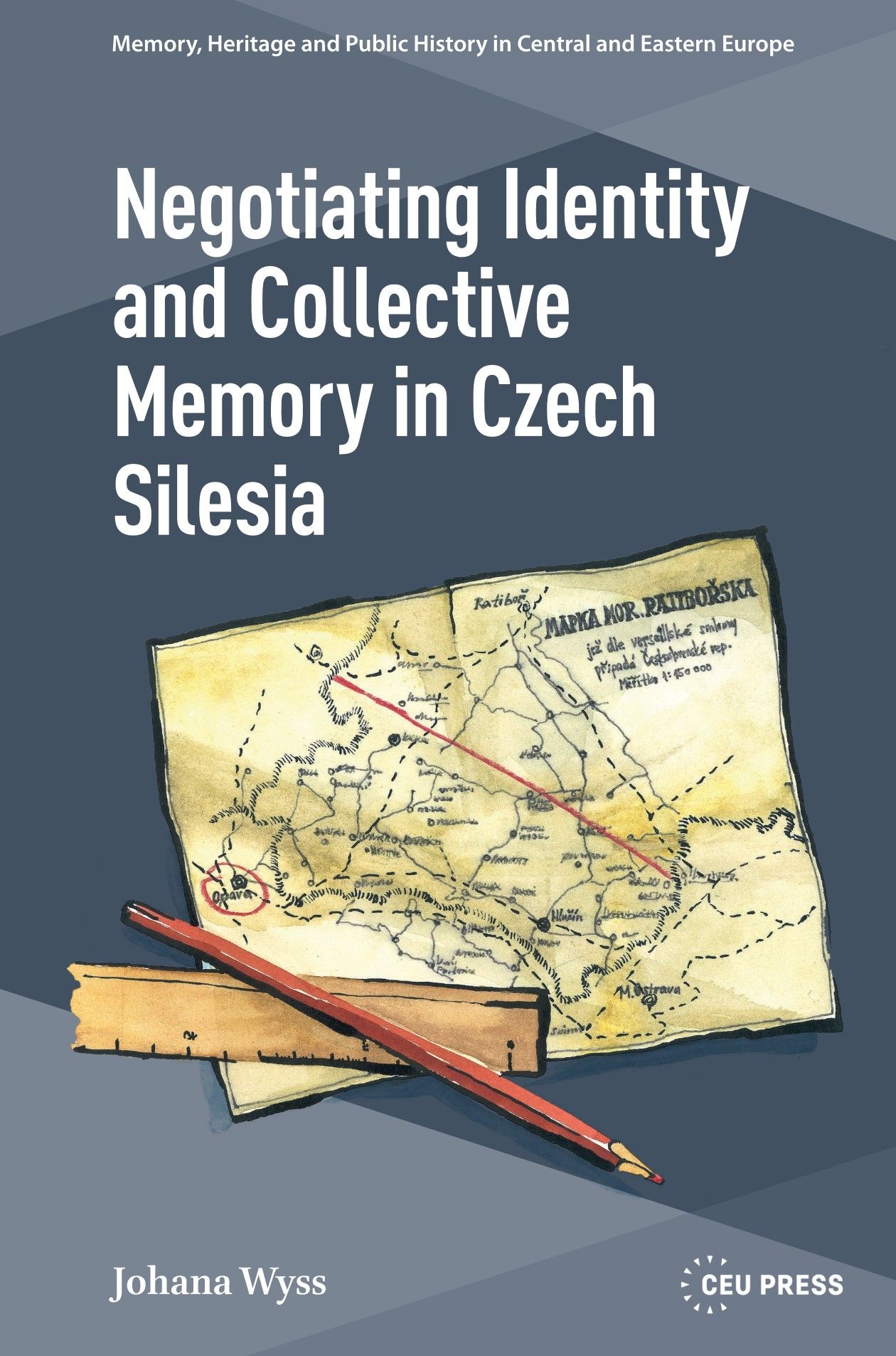
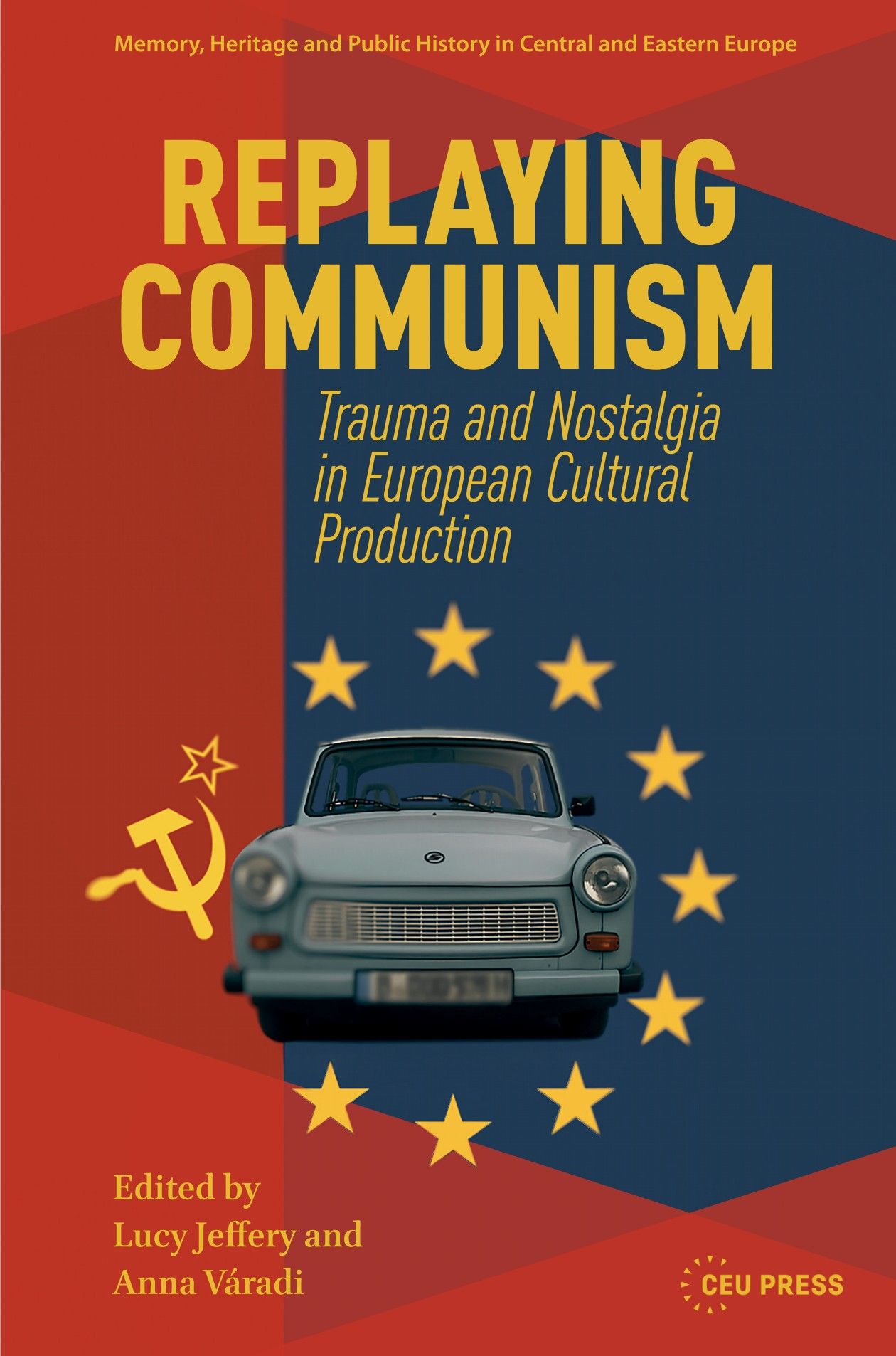
Memory, cultural heritage and history all too often have been treated as separate concepts. However, during the last two decades with the multi- and interdisciplinary field of memory studies rapidly expanding, it has become clear that both heritage and history may be seen as specific forms of cultural memory or agents of memory structuring. While struggling with their difficult heritage, traumatic and conflicting memories and explosive politics of memory, Central and Eastern Europeans have become increasingly entangled in global processes and ensuing political, socio-economic, cultural, and civilizational challenges.
This new series furthers the cooperation between scholars working within these fields and answers the urgent demand for more publishing outlets for recent scholarship. The starting point for the scholarly reflection in the series will be the societies of Central and Eastern Europe, but the scope of the series will reach beyond these regions.
Topics of relevance to the series might include:
Politics of memory and aesthetics in urban spaces
Churches as agents and producers of public history and memory
‘Memory Laws’ and the patterns of collective memory regulation in Central and Eastern Europe
Competitive victimhood as an obstacle in reconciliation processes
The appropriation of the discourse on Human Rights and cosmopolitan memory by the far-right and anti-globalist movements
Memory and nationalism / national identity
Struggles over monuments, street names and public symbols
Competing memories of various national and diasporic groups
Competing memories of war, conflict and dictatorship
Memory and transitional justice
Truth and memory
Memory institutes as public history agents
Digital memory practices and political activism
Memory politics and foreign policy
Postcolonialism and memory
Populism and memory
Migration and memory
Memory and social media
Public history and cultural diplomacy
Conspiracy theories and memory
Memory and rewriting of history books
Public history and national symbols
Museums and nostalgia
Advisory Board
Stefan Berger, Ruhr University
Marko Demantowsky, University of Vienna
Constantin Iordachi, Central European University
Siobhan Kattago, University of Tartu
Daniela Koleva, Sofia University
Krzysztof Kowalski, Jagellonian University
Katerina Kralova, Charles University
Jeffrey Olick, University of Virginia
Balázs Trencsényi, Central European University
Jenny Wüstenberg, Nottingham University